Turkey and the Ukraine War: Ankara Charts its Own Course
By Alan Makovsky
May 12, 2022
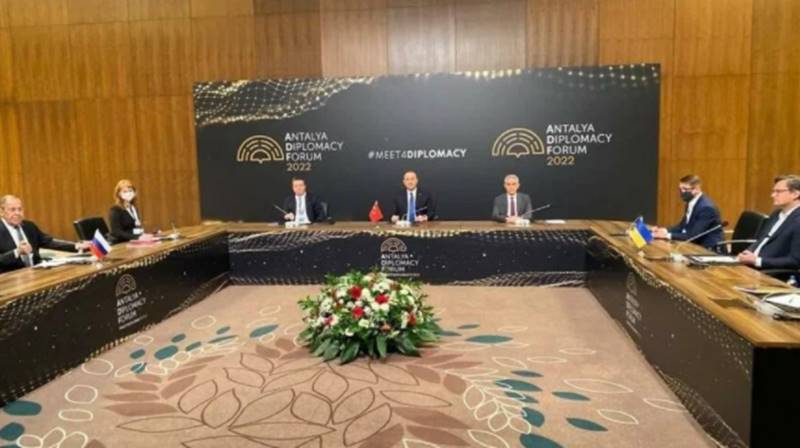
Despite suffering economic consequences, Turkey is diplomatically strengthened by the Ukraine war, reinforcing and seemingly validating the “strategic autonomy within NATO” course that President Recep Tayyip Erdoğan has pursued in recent years. This, in turn, may help determine the outcome of the presidential election next year.
The Gezi Park Verdicts and the Allure of Delusion
By Gareth Jenkins
May 6, 2022
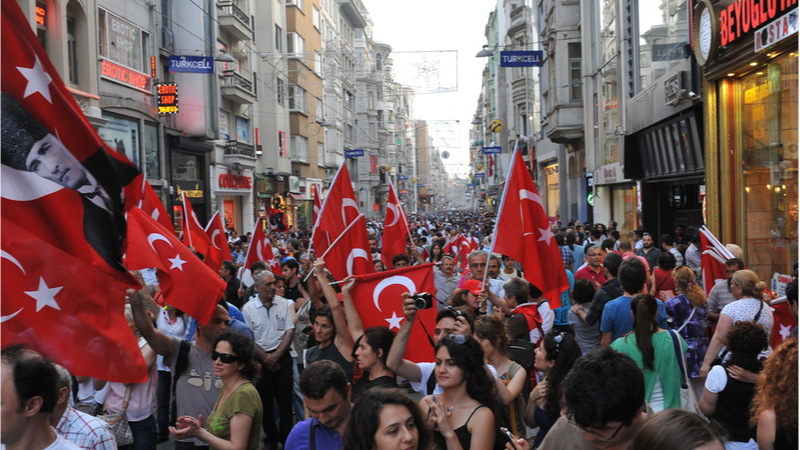
The convictions on April 25, 2022, of eight Turkish nationals accused of orchestrating the 2013 Gezi Park Protests have again demonstrated how dependent President Recep Tayyip Erdoğan has now become on claimed achievements in an imagined world to try to offset his failures in the real one.
The Collapsing Lira: Is it a Threat to the Turkish Regime?

By Sada Garibova
January 19, 2022
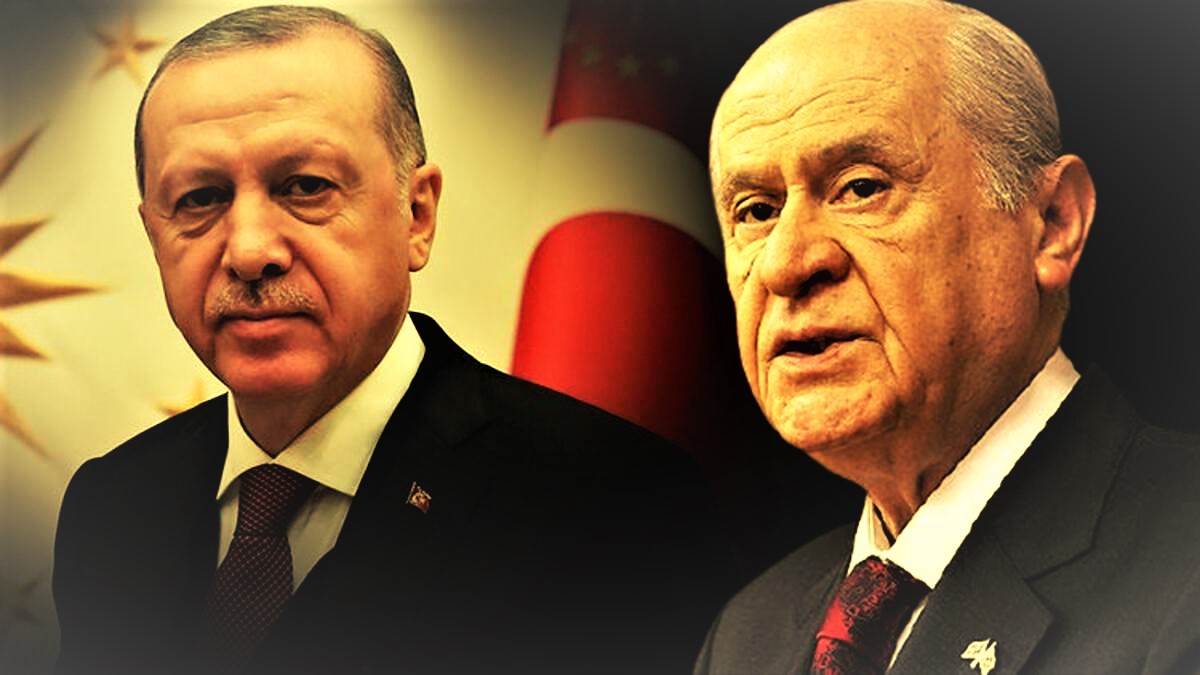
While economic experts predict that Turkey’s new economic model will inevitably send the Turkish economy into a deep recession and impoverish its population, the regime is undeterred, and its commitment to new, unorthodox economic and monetary policies is unwavering. Given the historical pattern, a popular backlash is unlikely, and it would in any case not be allowed to imperil the survival of the regime. President Recep Tayyip Erdoğan is fully backed by the nationalist cadres of the state bureaucracy. The collapse of the lira may ultimately be more likely to pave the way for a more entrenched, authoritarian regime than to boost the prospects of the opposition.
Normalization between Armenia and Turkey: Can it succeed?
By Natalia Konarzewska
January 14, 2022
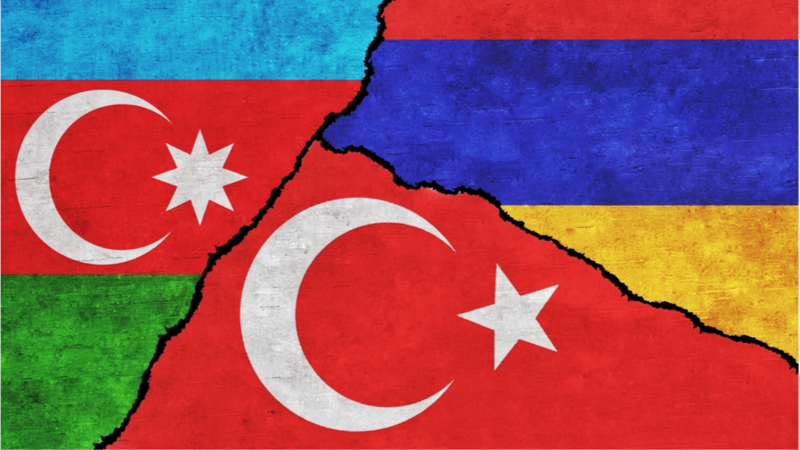
In mid-December 2021, Turkey and Armenia mutually appointed envoys for upcoming normalization talks. Turkey has wider, strategic reasons for seeking reconciliation with Armenia, and the shift in the balance of power in South Caucasus since the second Karabakh war in 2020 has removed an obstacle for the pursuit of these ambitions. At first glance, the new rapprochement process promises to be more successful than the last time, in 2009, but ultimately the success of the rapprochement will depend on the trajectory of the relations between Armenia and Azerbaijan. Even though Yerevan realizes that it stands to benefit from a normalization of relations with Turkey, there is nonetheless a risk that its conflict with Baku, and the fear that the Armenian public might not stomach what would appear to be concessions to Azerbaijan, will prevent the Armenian government from pursuing the normalization.
Have Turkey's Business Barons Discovered Democracy?
By Barış Soydan
December 6, 2021
For the second time since its founding in 1971, Turkey’s leading business organization has confronted a Turkish government and called on it to reverse its policies. On the face of it, TÜSİAD is carrying the banner of democracy. However, its pleas for democracy ring hollow. What TÜSİAD deplores is not so much authoritarianism as economic instability. TÜSİAD would hardly endorse an expansion of democracy and strengthening of democratic rights that imperil the primacy of neoliberal capitalism.
Visit also




Joint Center Publications
Op-ed Halil Karaveli "The Rise and Rise of the Turkish Right", The New York Times, April 8, 2019
Analysis Halil Karaveli "The Myth of Erdogan's Power", Foreign Policy, August 29, 2018
Analysis Svante E. Cornell, A Road to Understanding in Syria? The U.S. and Turkey, The American Interest, June 2018
Op-ed Halil Karaveli "Erdogan Wins Reelection", Foreign Affairs, June 25, 2018
Article Halil Karaveli "Will the Kurdish Question Secure Erdogan's Re-election?", Turkey Analyst, June 18, 2018
Research Article Svante E. Cornell "Erbakan, Kisakürek, and the Mainstreaming of Extremism in Turkey", Current Trends in Islamist Ideology, June 2018
Analysis Svante E. Cornell "The U.S. and Turkey: Past the Point of No Return?", The American Interest, February 1, 2018
Op-ed Svante E. Cornell "Erdogan's Turkey: the Role of a Little Known Islamic Poet", Breaking Defense, January 2, 2018
Research Article Halil Karaveli "Turkey's Authoritarian Legacy", Cairo Review of Global Affairs, January 2, 2018